
Web Design: Principles, Tools, Process, Elements, Trends, and Career Opportunities
Introduction to Web Design
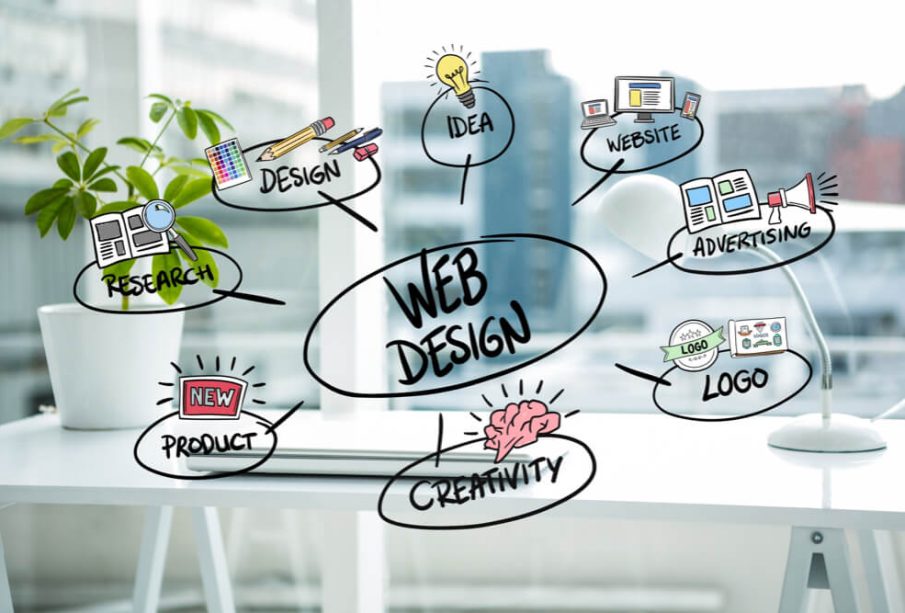
Web design is the process of planning, creating, and arranging content on websites so users can access information clearly and efficiently. It combines visual creativity with technical structure to produce websites that are attractive, functional, and easy to navigate. Every modern organization depends on web design to communicate with audiences, promote services, and deliver digital experiences.
A well designed website helps users find information quickly, improves credibility, and supports business growth. Whether the goal is education, commerce, communication, or entertainment, effective web design ensures that visitors can interact with content smoothly across devices.
Understanding web design is valuable not only for professionals in technology fields but also for students, entrepreneurs, and content creators who want to build strong digital platforms.
What Is Web Design
Web design refers to the process of creating the visual layout, structure, and usability features of a website. It focuses on how a website looks and how users interact with it.
Web design includes several important activities such as:
- Planning website structure
- Selecting color schemes and typography
- Designing page layouts
- Creating navigation systems
- Ensuring accessibility across devices
These elements work together to create a consistent and effective user experience.
Web design is closely related to web development, but it mainly focuses on the visual and interactive aspects of a website rather than the programming logic behind it.
Evolution of Web Design
Web design has changed significantly since the early days of the internet. Early websites were simple text based pages with limited visual features. Over time, improvements in technology made websites more interactive and visually engaging.
Major stages in the evolution of web design include:
- Static web pages with limited styling
- Introduction of graphical layouts and multimedia content
- Development of cascading style sheets for better formatting
- Growth of interactive user interfaces
- Adoption of responsive layouts for mobile devices
- Integration of modern design systems and frameworks
Today, web design focuses heavily on usability, accessibility, and performance across multiple platforms.
Core Elements of Web Design
Effective web design depends on several essential elements that shape the appearance and functionality of a website.
Layout
Layout refers to the arrangement of visual components on a webpage. A clear layout helps users locate information easily and improves readability.
Common layout structures include:
- Header sections
- Navigation menus
- Content areas
- Sidebars
- Footer sections
A balanced layout improves user engagement.
Color Scheme
Color influences how users perceive a website. Choosing appropriate colors strengthens branding and improves readability.
Designers often consider:
- Contrast between text and background
- Consistency across pages
- Emotional impact of colors
- Accessibility requirements
Effective color selection enhances the overall experience.
Typography
Typography refers to the style and appearance of text on a website. Clear typography improves readability and visual appeal.
Important typography considerations include:
- Font selection
- Text size hierarchy
- Line spacing
- Consistent formatting
Readable typography supports effective communication.
Navigation
Navigation helps users move through a website efficiently. A well structured navigation system improves usability and reduces confusion.
Examples include:
- Menu bars
- Dropdown menus
- Breadcrumb navigation
- Search functionality
Clear navigation improves accessibility.
Principles of Effective Web Design
Good web design follows principles that improve usability and visual consistency.
Important principles include:
Simplicity
Simple designs reduce distractions and help users focus on important content. Clean layouts improve usability across different devices.
Consistency
Consistency ensures that similar elements appear uniform across all pages. This improves recognition and reduces confusion.
Examples include:
- Consistent fonts
- Repeated color themes
- Standard button styles
- Uniform spacing patterns
Consistency strengthens user confidence.
Accessibility
Accessibility ensures that websites can be used by people with different abilities.
Accessible design includes:
- Readable text sizes
- Keyboard navigation support
- Clear contrast between elements
- Alternative descriptions for images
Accessible websites serve wider audiences.
Responsiveness
Responsive design allows websites to adapt automatically to different screen sizes.
Responsive websites function well on:
- Desktop computers
- Tablets
- Smartphones
This flexibility improves user satisfaction.
Web Design Tools and Technologies
Web designers use several tools and technologies to create effective websites.
Markup and Styling Languages
Web design depends on foundational languages that structure and style webpages.
Examples include:
- HTML for structure
- CSS for styling
- JavaScript for interactivity
These technologies form the backbone of modern websites.
Design Software
Design software helps create layouts and prototypes before development begins.
Common uses include:
- Creating wireframes
- Designing page layouts
- Testing interface ideas
- Organizing visual elements
These tools improve planning efficiency.
Content Management Systems
Content management systems allow users to create and manage websites without advanced programming knowledge.
They help with:
- Updating content
- Managing pages
- Publishing articles
- Organizing media files
These systems simplify website maintenance.
Testing Tools
Testing tools help designers ensure websites perform correctly across different browsers and devices.
Testing improves reliability and accessibility.
Web Design Process
Web design follows a structured process that ensures quality results.
Requirement Analysis
Designers begin by understanding the goals of the website and the needs of the target audience.
Clear objectives guide design decisions.
Planning and Structure
Planning includes creating site maps and organizing content logically.
This step ensures efficient navigation.
Wireframing
Wireframes represent the basic layout of webpages before visual details are added.
They help designers visualize structure.
Visual Design
Visual design involves selecting colors, typography, and layout styles that match branding requirements.
This stage defines the appearance of the website.
Testing and Launch
Designers test websites for usability and performance before publishing them online.
Testing ensures reliability across platforms.
Importance of Responsive Web Design
Responsive web design ensures that websites function smoothly on devices with different screen sizes.
Benefits include:
- Improved mobile usability
- Faster page accessibility
- Better user engagement
- Increased search visibility
- Consistent experience across devices
Responsive design is essential for modern websites because many users access online content through mobile devices.
Role of User Experience in Web Design
User experience refers to how visitors interact with a website and how easily they complete tasks.
Designers improve user experience by focusing on:
- Clear navigation
- Fast loading speeds
- Logical page structure
- Readable content formatting
- Interactive feedback elements
Positive user experience increases visitor satisfaction and retention.
Applications of Web Design in Different Fields
Web design supports many industries by improving communication and digital accessibility.
Business Websites
Businesses use websites to promote products and communicate with customers.
Features often include:
- Service descriptions
- Contact forms
- Product catalogs
- Customer support pages
Professional design improves credibility.
Educational Websites
Educational institutions use websites to provide learning materials and communicate with students.
Examples include:
- Course platforms
- Academic announcements
- Research publications
- Virtual classrooms
These tools support flexible learning.
E commerce Platforms
E commerce websites allow customers to browse and purchase products online.
Effective design improves:
- Product visibility
- Checkout processes
- Customer trust
- Navigation efficiency
These improvements support online sales.
Personal Portfolio Websites
Professionals use portfolio websites to present their skills and achievements.
Portfolio websites help individuals showcase:
- Creative projects
- Professional experience
- Certifications
- Contact information
They support career development.
Advantages of Good Web Design
Effective web design provides several benefits for organizations and users.
Major advantages include:
- Improved user engagement
- Better information accessibility
- Stronger brand identity
- Increased website traffic
- Higher conversion rates
- Enhanced credibility and trust
These benefits highlight the importance of thoughtful design strategies.
Challenges in Web Design
Despite its advantages, web design involves several challenges that require careful planning.
Common challenges include:
- Maintaining consistency across pages
- Ensuring compatibility with different devices
- Managing website performance speed
- Meeting accessibility requirements
- Adapting to changing design trends
Continuous learning helps designers overcome these challenges successfully.
Career Opportunities in Web Design
Web design offers diverse career opportunities across industries.
Common roles include:
- User interface designer
- User experience designer
- Front end developer
- Visual designer
- Web content designer
- Interaction designer
Demand for web design professionals continues growing as organizations expand their online presence.
Future Trends in Web Design
Web design continues evolving alongside new technologies and user expectations.
Future trends may include:
- Greater use of interactive interfaces
- Integration of intelligent personalization features
- Expansion of voice enabled navigation systems
- Increased emphasis on accessibility standards
- Adoption of immersive visual environments
These trends will influence how websites are designed in the coming years.
Web design will remain essential for digital communication and online engagement.
Frequently Asked Questions
1. What is the difference between web design and web development
Web design focuses on visual layout and user interaction, while web development involves coding and building the technical structure behind websites.
2. Why is page loading speed important in web design
Faster loading speeds improve user satisfaction, reduce bounce rates, and support better search visibility.
3. What is a wireframe in web design
A wireframe is a basic structural outline that shows the layout and arrangement of elements on a webpage before visual styling is added.
4. How does typography affect website usability
Clear typography improves readability, guides user attention, and enhances overall visual consistency.
5. What is mobile first web design
Mobile first design involves creating layouts for smaller screens before adapting them to larger devices.
6. How do designers choose colors for websites
Designers select colors based on branding goals, readability needs, accessibility standards, and emotional impact.
7. What role does feedback play in improving website design
User feedback helps designers identify usability issues and improve navigation, performance, and overall experience.